The Role of a Periodontist in Oral Health
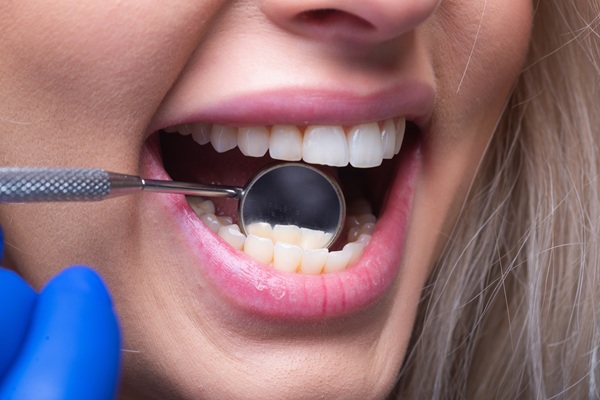
A periodontist has the knowledge and training to prevent and diagnose periodontal disease. This oral health provider can perform necessary surgical procedures that can improve your oral health and smile. Knowing the role of this dentist in achieving your oral health can give you peace of mind. Here are the details about what a periodontist does for your oral health.
What a periodontist does
This type of dentist treats difficult cases of periodontal diseases. A periodontist can also treat patients with complex dental and medical histories. Performing different treatments can target different areas of the mouth. Here are some of them:
- Surgical treatments can help treat gum disease.
- Scaling and root planing involve removing tartar and plaque. This treatment polishes the dental roots, preventing bacteria from gathering on them.
- Root surface debridement removes the damaged oral tissues in the mouth.
During a visit
The periodontist must review the patient’s medical and dental health history. Asking the patient about any current health issues and medications will come next. A physical oral inspection will allow the dentist to see any teeth and gum problems. Ordering dental X-rays will enable the dentist to see underneath the gums.
How a periodontist can help
This dental health provider can perform the tasks of a general dentist and more. More serious dental problems fall on the desk of a periodontist. Patients with severe periodontal disease need this dentist’s services. A periodontist has a deep understanding of gums to perform the procedures. Additional training makes diagnosing, treating, and preventing periodontal disease possible.
The main goal of a periodontist is to keep a person’s dental structure and health intact for life. Using modern technology and techniques makes restoring damaged teeth possible. The results can last for a lifetime with proper care and maintenance. Once a patient develops periodontal disease, the risk of tooth loss increases. The treatment will depend on the degree of damage from this disease.
Scaling and root planing can manage periodontal disease. Antibiotics may be an occasional treatment as well. Advanced periodontal disease will need surgery to reset the relationship between teeth and gums. Periodontal cleanings and good oral care can maintain the patient’s oral health. The periodontist will also stress preventive care.
If the periodontist cannot treat or repair the tooth anymore, extraction is necessary. Replacing the tooth with a dental implant is ideal. The skills of this dental care provider can make implant surgery successful. The periodontist will perform screenings to see if there is gum disease in any area of the mouth. This can help keep the implants intact for a long time.
A periodontist can help maintain or even restore your oral health
Healthy teeth and gums lead to a lasting smile. Maintaining good oral health is always a priority for a periodontist. But if you develop periodontal disease, this dental care provider can help fight it. Restoring damaged gums, jawbones, and teeth is also possible in a periodontist’s care.
Request an appointment here: https://rivermarkdental.org or call Rivermark Dental at (408) 648-4788 for an appointment in our Santa Clara office.
Check out what others are saying about our dental services on Yelp: Periodontist in Santa Clara, CA.
Related Posts
The right gum disease treatment can come from your general dentist. The treatment will depend on the severity of the gum problem. Mild gum disease will need proper oral hygiene practices, including regular dental visits. These activities can control the brewing infection and prevent more damage. Moderate to severe cases may need medication and more…
Gum disease treatment often involves a combination of professional dental procedures and targeted therapies to control infection and restore oral health. Antibiotics play a significant role in this process by addressing bacterial infections that contribute to the progression of gum disease. Antibiotics can enhance outcomes and improve long-term oral health when used alongside other treatments…
Dental crowns offer more than a cosmetic solution to fixing damaged teeth. They are a long-term investment in your oral health. While crowns are designed to be durable, they are not permanent and may need to be replaced in the future. By understanding the average lifespan of these dental restorations, you can protect your smile…
You can get a gum disease treatment from your general dentist to target the cause and treat the symptoms. Non-invasive and invasive treatments are available to achieve the desired results. Studies reveal that healthy gums can enhance your general health. Understanding the effects of proper gum disease treatment on better whole-body wellness can motivate you…