The Average Longevity of Dental Crowns
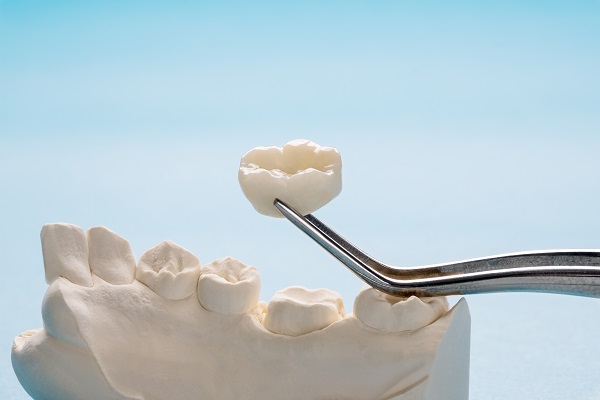
Dental crowns offer more than a cosmetic solution to fixing damaged teeth. They are a long-term investment in your oral health. While crowns are designed to be durable, they are not permanent and may need to be replaced in the future. By understanding the average lifespan of these dental restorations, you can protect your smile and make informed decisions about your long-term dental care.
The average lifespan of dental crowns
The average lifespan of dental crowns is typically 10 to 15 years. However, it can vary depending on the material used to make the crown. Many dental crowns last longer, with some remaining functional for more than twenty years. Their longevity depends on multiple factors, including the patient's oral hygiene habits, bite pressure, and commitment to professional dental care. While crowns are engineered to withstand everyday chewing, they are not indestructible and can wear down over time.
Choosing the right material for long-term durability
Not all dental crowns are created equal. The material used for the restoration directly impacts its "wear and tear" over time. Common materials used for dental crowns include.
- Gold and metal alloys: These are the "marathon runners" of dental crowns. While they are more visible, the metal is resistant to chipping and fractures, making them ideal for high-pressure areas like the back molars.
- Porcelain-fused-to-metal (PFM): PFM crowns provide a balance of functional and cosmetic benefits. While the metal base is sturdy, the porcelain cap can occasionally chip under heavy stress.
- All-ceramic or zirconia: These durable crowns are the gold standard for front teeth because they mimic the translucency of natural enamel. That said, they require precise fitting to ensure their long-term longevity.
The dentist will work with the patient to determine the best material to protect the tooth, based on its location and the patient's overall health.
Why do dental crowns fail?
A dental crown itself cannot decay or get a cavity. However, the tooth underneath it can. If plaque builds up where the crown meets the gumline, bacteria can get underneath the cap. This is why dentists recommend thorough, consistent oral hygiene to help ensure the longevity of their crowns.
Other factors that can shorten a dental crown's long-term stability include:
- Teeth grinding or clenching (bruxism)
- Bad habits, such as chewing on ice or hard candies
- Direct trauma or impact to the crown
- Uneven teeth alignment
- Quality of the crown's preparation and placement
Dentists may recommend protective measures such as night guards to reduce stress on restorations. With bite forces well managed, dental crowns tend to maintain function and appearance for longer.
Signs a crown may need replacement
Even well-maintained crowns eventually require replacement. Common indicators include discomfort, visible cracks, loosening, or gum irritation around the crown. Changes in bite sensation or persistent sensitivity may also signal underlying issues that require professional evaluation.
Protect your investment with a proactive plan
By staying on top of your routine cleanings and addressing wear and tear as soon as possible, you can ensure your dental crown remains a durable, natural-looking part of your smile. Do not wait for a crack or discomfort to protect your dental crown. If you have questions about an existing restoration or are ready to explore your options for a new crown in the Santa Clara area, our team at Rivermark Dental is ready to help. Call us today to schedule your consultation.
Request an appointment here: https://rivermarkdental.org or call Rivermark Dental at (408) 648-4788 for an appointment in our Santa Clara office.
Check out what others are saying about our dental services on Yelp: Dental Crowns and Dental Bridges in Santa Clara, CA.
Related Posts
The right gum disease treatment can come from your general dentist. The treatment will depend on the severity of the gum problem. Mild gum disease will need proper oral hygiene practices, including regular dental visits. These activities can control the brewing infection and prevent more damage. Moderate to severe cases may need medication and more…
Gum disease treatment often involves a combination of professional dental procedures and targeted therapies to control infection and restore oral health. Antibiotics play a significant role in this process by addressing bacterial infections that contribute to the progression of gum disease. Antibiotics can enhance outcomes and improve long-term oral health when used alongside other treatments…
You can get a gum disease treatment from your general dentist to target the cause and treat the symptoms. Non-invasive and invasive treatments are available to achieve the desired results. Studies reveal that healthy gums can enhance your general health. Understanding the effects of proper gum disease treatment on better whole-body wellness can motivate you…
Wondering about gum disease treatment? Read on to learn more. Poor oral health habits are one of the primary causes of gum disease. You should follow proper dental care for a healthy smile after gum disease treatment. Consistent flossing is just as important as regular brushing for preventing oral health issues.Periodontal disease or gum disease…